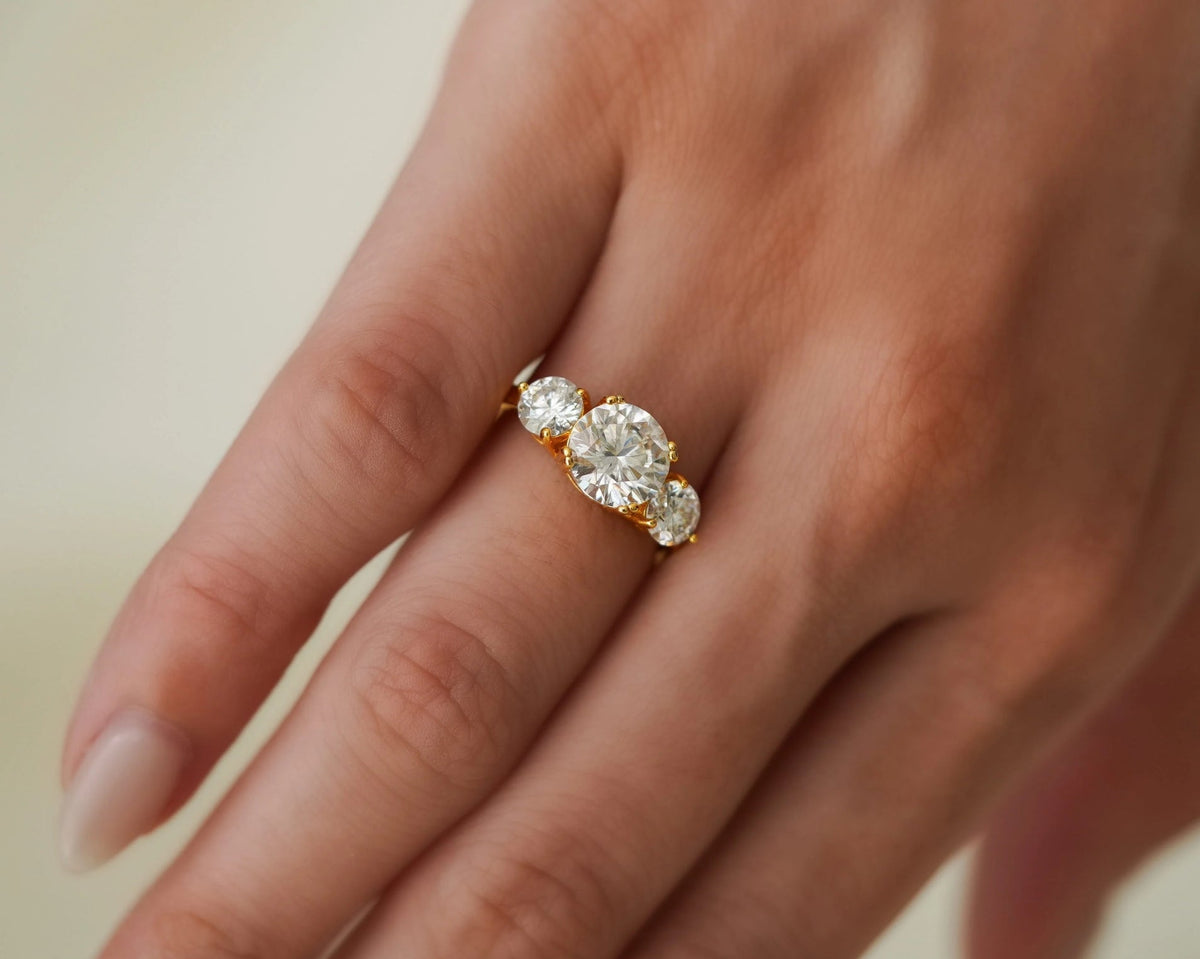
Can Lab-Grown Diamonds Be Passed Down as Heirlooms? Here's What to Know
Yes, lab-grown diamonds can be passed down as heirlooms. They have the physical durability to last for generations, just as mined diamonds do.
Still, it is understandable to wonder.
When you buy jewelry with the hope that someone else might wear it decades from now, you are thinking beyond how it looks today. You are thinking about longevity: whether the setting will endure, whether the stone will remain beautiful, and, most of all, whether the piece will still mean something when it eventually changes hands.
For shoppers exploring an online jewelry store in the Philippines, that question can become especially relevant when choosing between mined and lab-grown diamonds.
The reassuring part is that a diamond's origin does not determine whether it can become an heirloom. Durability matters, certainly. But so do craftsmanship, design, documentation, and the story a family chooses to carry forward.
Are Lab-Grown Diamonds Durable Enough to Last Generations?
Yes. Lab-grown diamonds have the same essential chemical composition and crystal structure as natural diamonds, and both rank 10 on the Mohs hardness scale.
That distinction matters because “lab-grown” describes where the diamond was created, not a fundamentally different type of stone.
Like mined diamonds, lab-created diamonds are real diamonds. They are produced in controlled environments using technology that replicates aspects of the conditions under which diamonds form, rather than being extracted from the earth.
So, are lab-grown diamonds as durable as mined diamonds? For practical jewelry purposes, yes. Both have exceptional resistance to scratching and are suitable for pieces intended for frequent, long-term wear.
A lab-grown diamond does not inherently become cloudy, softer, or weaker simply because it gets older.
That does not make diamond jewelry indestructible. Diamonds can still chip under the right kind of impact, and settings can loosen or wear over decades. An heirloom ring may eventually need its prongs tightened, its band restored, or its setting repaired.
Longevity belongs to the entire piece, not only the stone at its center.
What Defines a Piece of Heirloom Jewelry?
Heirloom is not defined by geology. It is defined by continuity.
Think about the jewelry families tend to remember. A grandmother's wedding ring, a pendant worn in every photograph, or a bracelet received for a graduation or an anniversary. Their significance rarely begins with where the gemstone is formed.
It begins with a person.
That is why heirloom jewelry carries a kind of value that cannot be measured entirely through grading reports or market prices. The moment a piece commemorates the person who wore it, and the stories attached to it become part of the object itself.
So, does a diamond's origin affect its sentimental or heirloom value? It can influence how someone personally feels about the piece, but it does not determine whether the jewelry can become an heirloom.
A diamond heirloom becomes meaningful because a family gives it meaning. The next generation inherits more than a gemstone but its history.
Four Things That Give Jewelry Heirloom Potential
If you are choosing jewelry with decades rather than seasons in mind, four considerations deserve particular attention.
1. Craftsmanship That Can Be Maintained
A durable gemstone needs an equally considered setting.
Strong prongs, appropriate stone security, quality metalwork, and a structure suited to regular wear all contribute to longevity. Solid gold and platinum remain trusted choices for fine jewelry designed to last. With proper care from a skilled jeweler, these pieces can be repaired, polished, and restored over time.
Quality craftsmanship does not mean a piece will never need care. Rather, it means creating something designed to be cared for and enjoyed for years to come.
2. A Design You Can Imagine Decades from Now
Trends can be wonderful. Heirlooms, however, tend to benefit from designs that remain visually coherent as tastes change.
That does not mean every heirloom needs to be a plain solitaire. Personal designs can age beautifully, too. Look for considered proportions, thoughtful detailing, and a design that feels connected to the wearer rather than chosen simply because it was fashionable that year.
The strongest heirloom designs often feel unmistakably personal without being trapped in a moment.
3. Documentation Worth Keeping
Keep grading reports, certificates, receipts, appraisals, and relevant information about the piece together.
Documentation gives future owners clarity about what they have inherited: the gemstone specifications, metal purity, provenance, and other details that may otherwise disappear as a piece moves through generations.
You might also include something less formal: a note explaining when the jewelry was bought and why.
A grading report can preserve facts. A handwritten note can preserve everything else.
4. A Story That Continues
Jewelry becomes an heirloom by being part of someone's life.
Wear matters. So do memories. The ring you reach for every morning, or the necklace worn for every family celebration gradually gathers associations that cannot be manufactured at the point of purchase.
If you hope to pass something down, tell its story while you can.
That may ultimately be the most valuable documentation of all.
Heirloom Value and Resale Value Are Different Conversations
This distinction is important when comparing lab-grown diamonds with natural diamonds.
Heirlooms are kept because someone wants to preserve them. An investment is held with an expectation of financial return. Fine jewelry can hold valuable materials, but those two purposes should not be treated the same.
Lab-grown diamonds have a different resale profile from mined diamonds, and buyers should understand that before buying. At the same time, mined diamonds should not automatically be assumed to retain their original retail price when resold. Secondary-market value depends on factors including the characteristics of the stone, the buyer, its condition, market demand, and the selling channel.
The setting matters as well.
Precious metals such as gold and platinum have established a value of commodity. Their recoverable material value depends on factors such as purity, weight, and prevailing metal prices. That does not mean a finished gold ring will resell for its original retail price, since retail pricing also reflects design, labor, craftsmanship, and other costs.
It simply means the metal itself has measurable material value independent of the sentiment attached to the jewelry.
If resale is an important part of your decision, look carefully at both the gemstone and the setting. If your priority is creating something a future child or grandchild might genuinely want to keep, craftsmanship and emotional significance deserve at least as much attention.
Legacy and liquidity are not the same thing.
When Does a Lab-Grown Diamond Make a Good Heirloom?

Choosing Heirloom-Worthy Pieces from an Online Jewelry Store in the Philippines
If you are buying jewelry with the hope of passing it down one day, look beyond the center stone.
Ask what the setting is made from. Understand its construction. Keep the documentation. Choose a design you will want to wear, because the memories attached to a piece begin long before it becomes an heirloom.
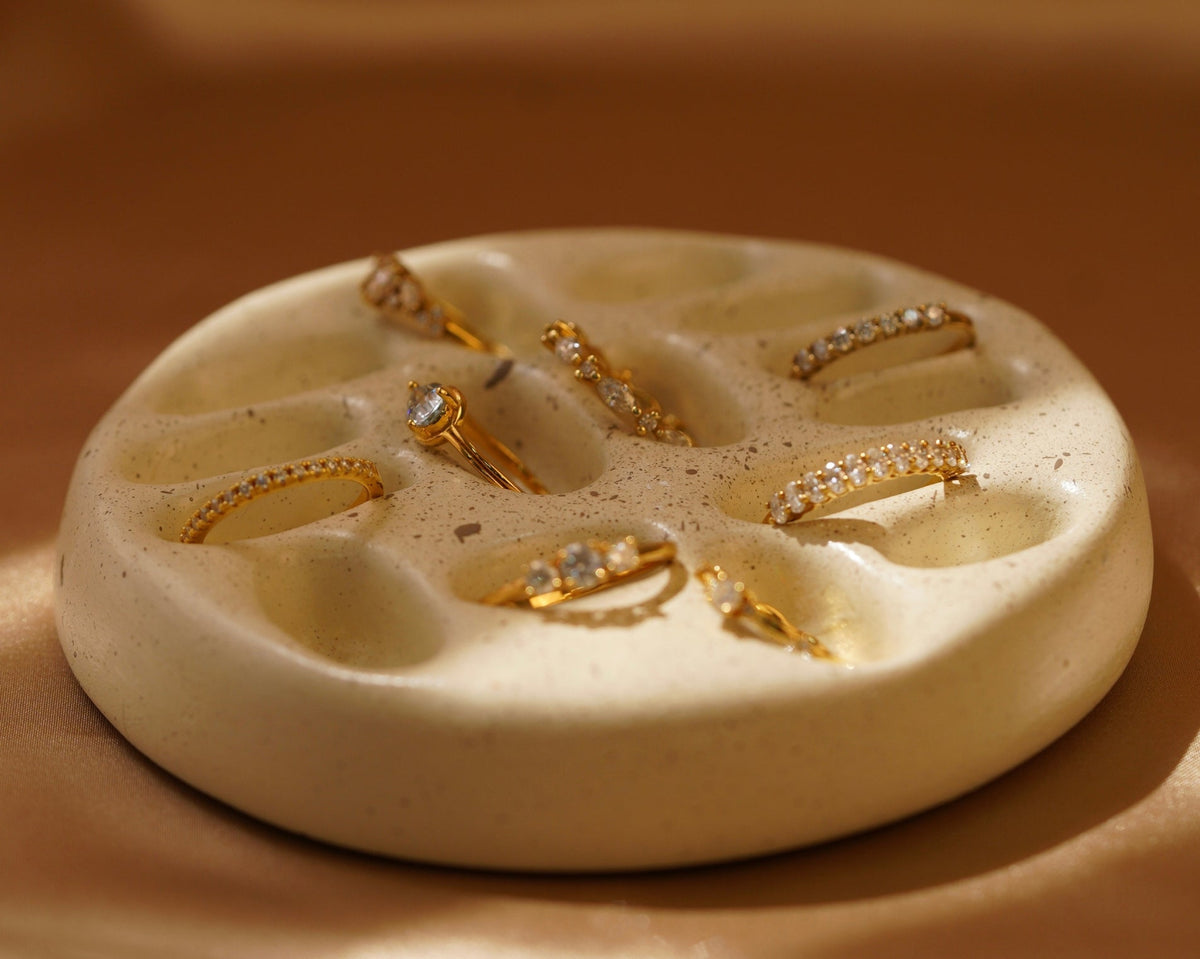
At Pristine Paradigm, our fine jewelry pairs lab-grown gemstones with solid gold settings to create thoughtfully crafted pieces designed for long-term wear.
Customization also allows you to create something more personal—a piece tailored to the person, milestone, or story you want it to represent.
For anyone choosing an online jewelry store in the Philippines, transparency matters here. You should know what you are buying, what materials were used, and how to care for the piece over time.
Explore Pristine Paradigm's solid gold and lab-grown diamond pieces, or speak with the team to find a piece that best reflects your preferences, your story, and what you hope to carry with you for years to come.
Heirlooms do not begin as heirlooms. They begin as something someone loved enough to keep.