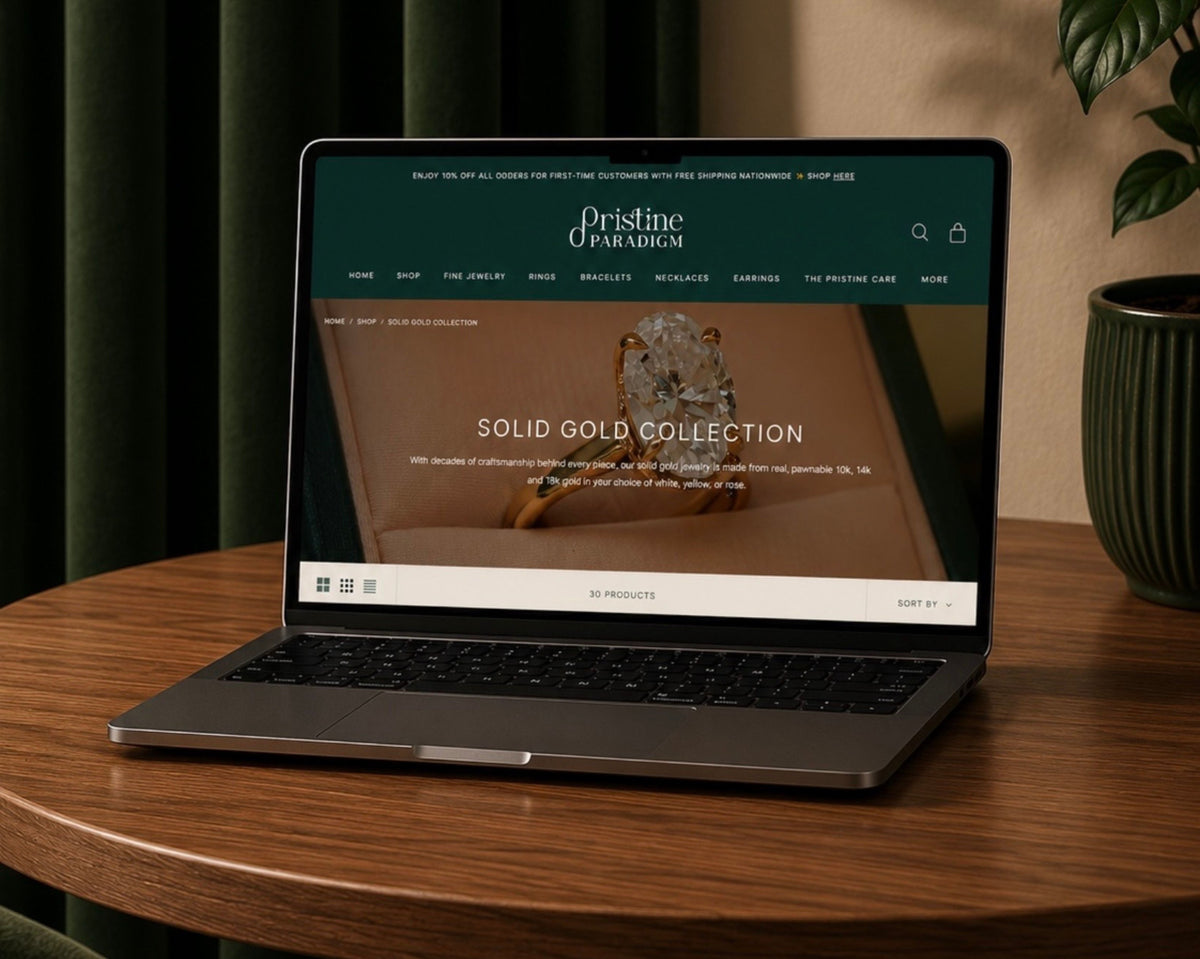
Article: What Do Gold Stamps Mean? A Complete Guide for Buyers in the Philippines
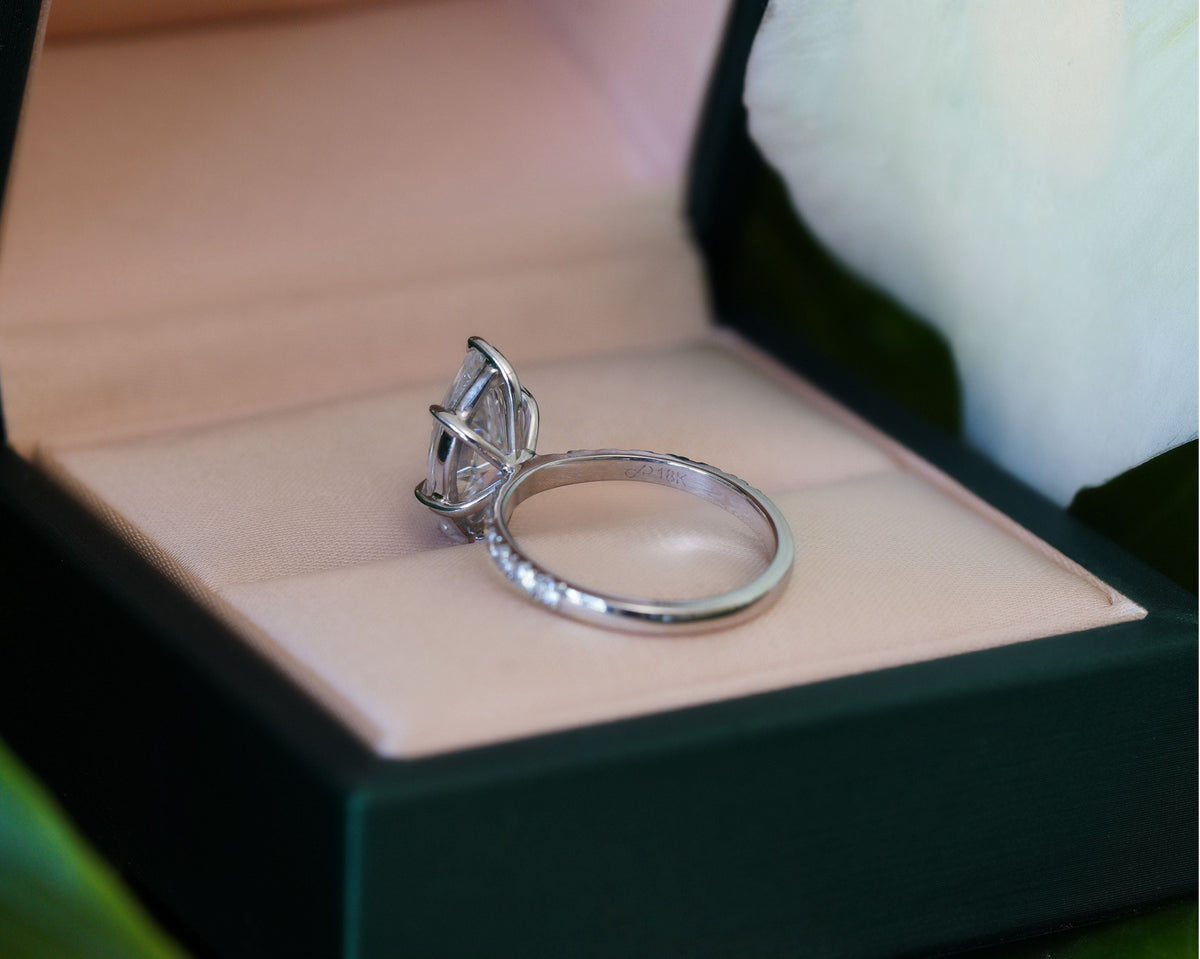
What Do Gold Stamps Mean? A Complete Guide for Buyers in the Philippines
There’s a moment most of us have had. You’re drawn to a piece because it catches the light just right, or the design feels like it was made for you. Then you flip it over and find a tiny stamp you don’t quite recognize: "S925." "14K." "750." You want to love it, but you also want to know what I am holding?
Those small markings are called hallmarks, and learning to read them can genuinely change how you shop for gold jewelry in the Philippines, for the better. They’re not fine prints. They’re the pieces telling you exactly what it’s made of.
Think of this jewelry hallmarks guide as the conversation you wish someone had with you sooner.
The Quiet History Behind Every Stamp
Hallmarks have been around since 14th-century Europe, when goldsmiths were required by law to mark their metals before sale. It was consumer protection, centuries before that phrase existed, and the practice continues today for the same reason.
On most pieces, these marks are easy to miss if you're not looking: the inner band of a ring, the clasp of a necklace, the back of a pendant. They're not meant to be the first thing you see. But once you know they're there, you'll always look for them.
There are three types of worth knowing:
- • Purity marks — the most important ones, declaring metal content (14K, 585, 925)
- • Maker's marks — the manufacturer's signature or initials
- • Assay marks — from an official testing body, common on imported pieces
Karats, Alloys, and What the Numbers Actually Mean
Here’s something worth knowing about gold: in its purest form, it’s too soft for everyday wear. It bends, scratches, and doesn’t hold a setting reliably. That’s why most Filipino gold jewelry pieces, like fine jewelry around the world, are made from an alloy, a blend of gold and other metals that adds strength, durability, and sometimes color.
The karat system tells you how much of a piece is gold.
|
Karat |
Gold Content |
Millesimal Stamp |
|
10K |
41.7% |
417 |
|
14K |
58.3% |
585 |
|
18K |
75.0% |
750 |
|
24K |
99.9% |
999 |
In the Philippines, 18K has long been the standard: rich in color, high in gold content, and the natural choice for fine and sentimental pieces. But the 14K stamp meaning speaks to something many buyers need: a piece with real gold content that holds up to daily life without asking you to be careful with it.
What S925 Tells You — And Why It's Worth Paying Attention
If you see S925 on a piece, it’s telling you something important: the base metal is sterling silver, which is 92.5% pure silver. And while silver doesn’t always get the same attention as gold in this part of the world, its presence as a base metal is a good sign.
This is the hallmark you’ll find on platinum and gold vermeil jewelry, and it’s what sets vermeil apart from standard gold-plated pieces.
Here's why it matters:
- • The base is sterling silver, not brass or copper — metals that degrade quickly and can irritate skin
- • It's hypoallergenic for most wearers, which matters more than people realize
- • It's more durable than typical gold-plated jewelry because quality starts with what's underneath
- • It's a considered middle ground — the beauty of gold, built on a foundation that's genuinely worth wearing
At Pristine Paradigm, S925 is the standard our vermeil pieces are built on, alongside solid gold options, because we believe what’s inside a piece matter just as much as how it looks. Beautiful jewelry should be honest, all the way through.
Local vs. Imported: Reading the Difference
Shopping for jewelry in the Philippines means you'll come across two different marking systems, sometimes on the same day.
Locally crafted Filipino gold jewelry tends to use karat stamps: 10K, 14K, 18K, often alongside a maker’s mark. Imported pieces, particularly from Europe or East Asia, often use millesimal fineness instead: 585 for 14K, 750 for 18K, 925 for sterling silver. Neither is more legitimate than the other. They’re just two ways of saying the same thing.
What should give you pause are marks that look wrong: blurry edges, inconsistent fonts, stamps that rub off. A genuine hallmark is crisp and permanent. If something feels off, trust that instinct and ask questions before you buy.
The 14K Stamp Meaning — And How to Choose What's Right for You
This is the question most people want to answer. The truth is it depends on how and why you wear jewelry.
|
10K |
14K |
18K |
|
|
Gold content |
41.7% |
58.3% |
75% |
|
Durability |
Highest |
Extremely high |
High |
|
Color |
Lighter yellow |
Warm yellow |
Rich yellow |
|
Price |
Most affordable |
Mid-range |
Higher |
|
Best for |
Budget everyday wear |
Daily jewelry & engagement rings |
Fine and heirloom pieces |
The 14K stamp means, in real terms: more than half the piece is gold, and it’s built to be worn daily, without worry. It’s the most practical choice for engagement rings, everyday necklaces, and pieces you reach for without thinking. That’s not a compromise. That’s the point.
18K is for the pieces that carry weight beyond what they’re made of: heirloom rings, anniversary gifts, jewelry chosen forever in mind.
24K, for all its purity, is better held than worn. Too soft for settings and daily contact, it belongs to investment-grade collections, not on your wrist.
A word on gold vermeil:
Gold vermeil has found its moment, and it’s well-deserved. For anyone drawn to gold jewelry in the Philippines who wants something genuinely beautiful without the financial or environmental cost of solid gold, vermeil is worth understanding. A sterling silver base, a quality gold layer, and craftsmanship that holds up to real life. It’s not a lesser choice. It’s a different one, made with intention.
What Filipino Buyers Have Always Known
Filipino gold jewelry has never just been about appearance. It carries memory, meaning, and a kind of permanence that other things don't. An 18K chain from a grandmother. A 14K ring worn until it softens with the shape of a hand. Gold, in this culture, has always meant something.
What’s shifting, slowly and genuinely, is the conversation around how that meaning is made. More buyers are asking where their pieces come from, what they’re made of, and whether the way they were crafted reflects the values they hold. Understanding gold stamps’ meaning, from karat numbers to base metal codes, is part of that shift. It's how appreciation becomes relevant knowledge.
Buying With Confidence — And Knowing Who to Trust
A hallmark is a starting point, not the whole story. The stamp tells you what a piece is made of. The brand tells you how, and whether that process reflects something you believe in.
Pristine Paradigm was built for buyers who care about both. Every piece in our collection carries verified hallmarks and authenticated materials, set with lab-grown gemstones that are physically and chemically identical to mined stones, without the environmental and ethical cost. Our jewelry is crafted in gold vermeil and solid gold, made for daily life, and priced so that fine jewelry is genuinely within reach.
Because the best pieces aren't just beautiful, they're made well from the inside out.
Explore the full collection — or reach out to our team. We’re always happy to help you find the right piece.